
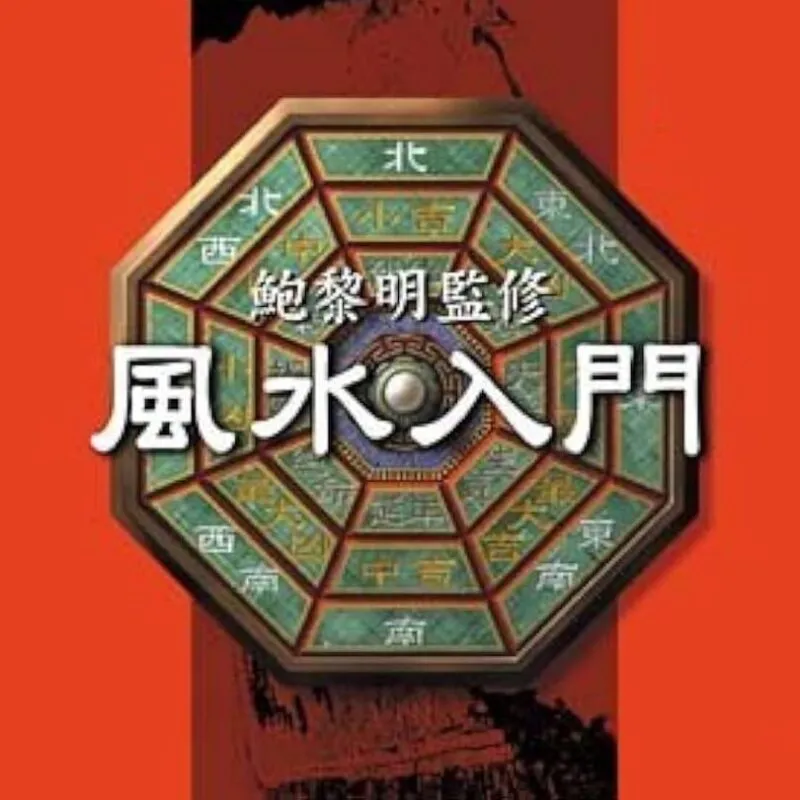
Pao Lee Ming Kanshuu: Feng Shui Nyuumon
Pao Leeming Kanshuu – Fuusui Nyuumon is a simulation video game that is an introduction to Feng Shui, the game explains what is Feng Shui, the player will have diagnosis by each room (entrance, kitchen, bathroom, bedroom, etc.), by floor, items (like tv, furniture, etc.), also is each item is in harmony with the environment. There is also favorite diagnosis in which the game will provide a diagnosis in the directions of the player’s essenstial points. Also the Feng Shui by purpose in which it will provide the Feng Shui the is the right one about love, money, health, child care, work, etc.
Storyline
Feng shui or fengshui, also known as Chinese geomancy, is a pseudoscience originating from China, which claims to use energy forces to harmonize individuals with their surrounding environment. The term feng shui literally translates as „wind-water“ in English. This is a cultural shorthand taken from the passage of the now-lost Classic of Burial recorded in Guo Pu’s commentary: Feng shui is one of the Five Arts of Chinese Metaphysics, classified as physiognomy (observation of appearances through formulas and calculations). The feng shui practice discusses architecture in terms of „invisible forces“ that bind the universe, earth, and humanity together, known as qi.
Historically, feng shui was widely used to orient buildings often spiritually significant structures such as tombs, but also dwellings and other structures in an auspicious manner. Depending on the particular style of feng shui being used, an auspicious site could be determined by reference to local features such as bodies of water, or stars or the compass.
Gameplay Video
Release Dates
Involved Companies
Developer
Publisher
Die gezeigten Daten auf dieser Webseite stammen teilweise aus folgenden Quellen: IGDB.com